Complaints Procedure for House Clearance Surbiton
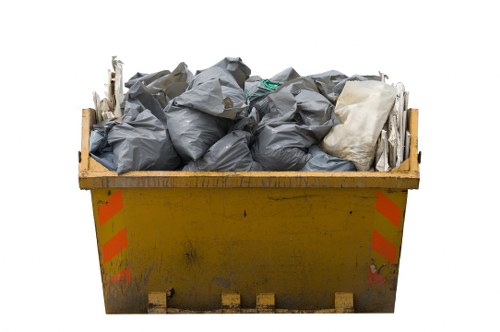 This Complaints Procedure explains how concerns and complaints about house clearance services are handled. It applies to all aspects of our property clearance and rubbish removal operations, including domestic clearance, estate clearances and associated waste disposal activity. The purpose is to ensure that complaints are treated with fairness, promptness and transparency. House Clearance Surbiton and related clearance services are covered by this process so that anyone using our clearance services understands the steps we take to resolve issues.
We focus on clear records, impartial investigation and consistent remedies. Complaints may relate to the conduct of operatives, service standards, scheduling, damage allegations, or waste handling practices. The procedure is designed to be accessible and proportionate: it sets out initial acknowledgement times, investigation steps, outcome options and escalation routes. The approach balances customer expectations with operational realities of a rubbish collection and clearance business, and it is structured to support continuous service improvement.
 Complaints should be submitted in writing or by any formal method acceptable to the organisation; this includes written statements or documented reports from a representative acting on behalf of a property owner. All complaints will be recorded on a central log that captures the date received, the nature of the complaint, the service area affected and any immediate actions taken. We aim to maintain confidentiality where appropriate while ensuring sufficient information is retained for a thorough review and eventual resolution.
How to make a complaint about clearance services
To start the complaints process, provide a clear description of the incident or concern, including relevant dates, locations, and the teams or vehicles involved if known. Include any supporting evidence such as photographs, inventory lists, or witness statements. This information speeds investigation and helps reduce misunderstandings. Complaints related to house clearance in Surbiton or similar local service areas will be treated consistently with complaints affecting other service delivery zones.
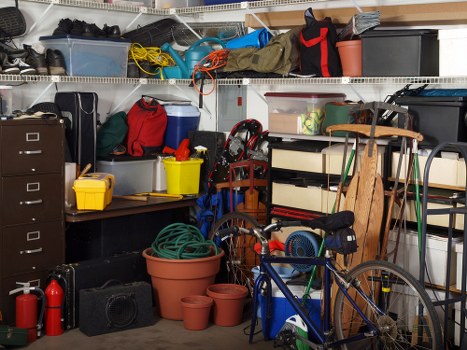 On receipt of a complaint, an acknowledgement will normally be issued within a defined short period. The acknowledgement will outline the investigator assigned, an estimated timeframe for an initial response and any interim actions taken to prevent further issues. Timelines will vary depending on the complexity; straightforward matters may be resolved quickly, while matters requiring site visits or third-party checks may take longer. The objective is an effective balance between thorough investigation and timely resolution.
Investigation steps typically include review of job records, interviews with staff involved, examination of photographic or physical evidence and, where necessary, liaison with third-party waste processors. The investigator documents findings and drafts a proposed outcome that may include remedial action, service credit, corrective team briefings or operational changes. The following list summarises potential outcomes:
- Formal apology and explanation of events
- Corrective service action or re-attendance for clearance
- Extra training or disciplinary review for staff if appropriate
- Operational changes to reduce recurrence
Response, escalation and review
After investigation, the complainant will receive a written outcome that explains the findings, the reasons for the decision and any remedial steps taken. If the complainant is not satisfied with the outcome, internal escalation is available to a senior review stage. Escalation normally requires a formal request stating why the original outcome is considered unsatisfactory and what specific matters remain unresolved. Internal reviews are conducted by staff who were not involved in the initial investigation to ensure impartiality.
 Independent review options may be offered where internal escalation does not resolve the issue. This can include referral to an appropriate independent ombudsman or sector regulator for binding or advisory review where such bodies have jurisdiction over waste management and clearance services. The availability of an independent review will be confirmed in the final outcome letter and is subject to the terms and powers of the relevant oversight body.
 Record keeping and learning: All complaints and associated records are retained in line with data retention policies and legal requirements. Complaints data is analysed periodically to identify trends, recurring problems and opportunities for service improvement. Lessons learnt will inform staff training, operational adjustments and procedural updates to reduce the likelihood of similar complaints in the future. The company is committed to using complaints constructively to raise standards across its house clearance and rubbish removal services.
The procedure also addresses the treatment of sensitive information and the protection of privacy during complaint handling. Where allegations involve potential criminal activity or serious safety concerns, the organisation will notify and cooperate with the relevant enforcement authorities while continuing its own fact-finding. Decisions about disclosure are made in accordance with legal obligations and the need to preserve the integrity of any formal investigations.
Performance monitoring ensures the complaints process itself is measured for effectiveness. Key performance indicators include acknowledgement time, resolution time, the proportion of complaints resolved at first stage and escalation rates. Regular audit of performance and periodic external reviews support transparency and accountability in the administration of the complaints policy.
The complaints procedure is reviewed periodically to ensure it remains fair, accessible and aligned with best practice for property clearance and waste services. The organisation will make reasonable adjustments to the complaints handling process to assist individuals with particular needs, and will publish summaries of complaints handling outcomes internally to promote organisational learning and continuous improvement across clearance operations.